
Defines the commercial manufacturing process based on knowledge gathered during development and scale-up activities.
Key activities include: defining Critical Quality Attributes (CQAs), identifying potential Critical Process Parameters (pCPPs), conducting process characterization studies, and establishing a control strategy.

Stage Ⅱ: Process Qualification
Evaluates whether the process design is capable of consistent commercial manufacturing.
It comprises two essential elements:
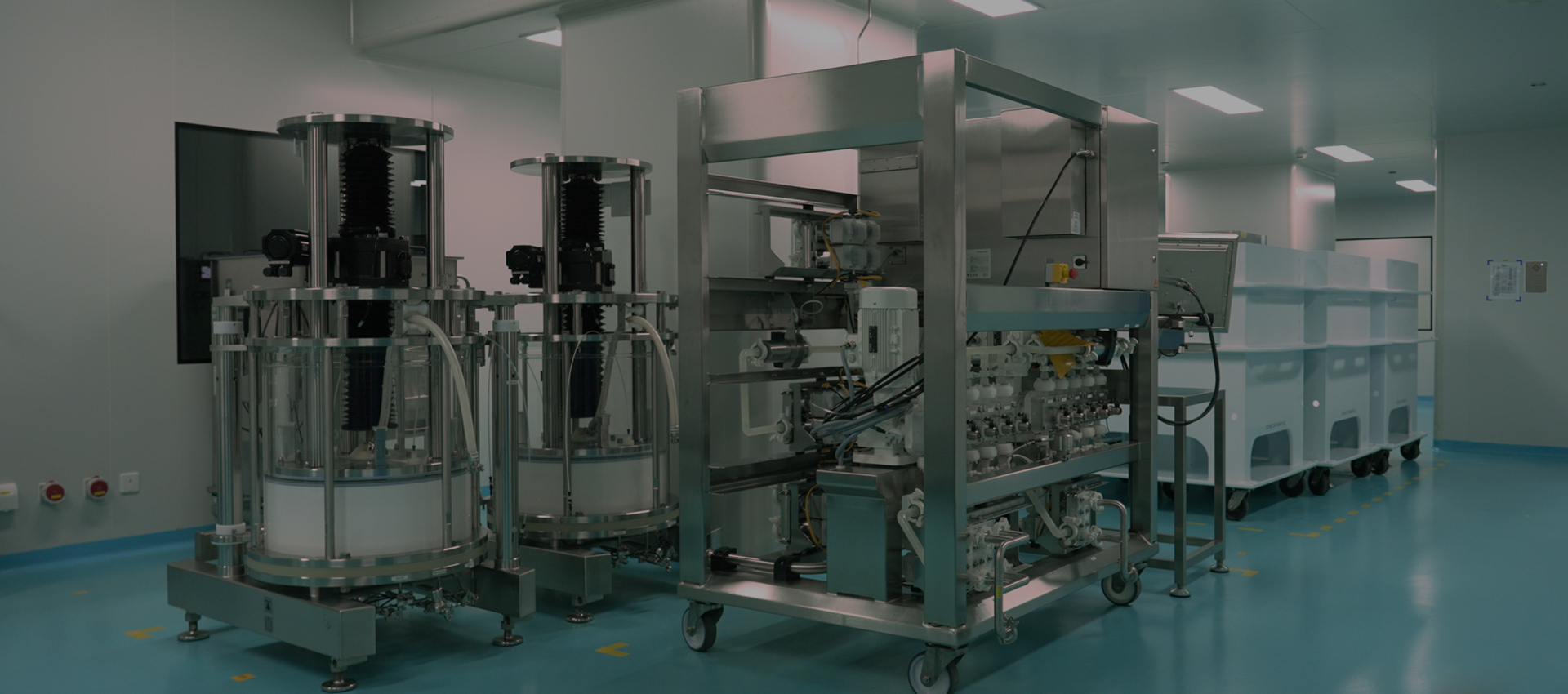
Facility Design and Equipment/Utility Qualification: Involves Installation Qualification (IQ), Operational Qualification (OQ), and Performance Qualification (PQ) to ensure that facilities, utilities, and equipment are suitable for their intended use.
Process Performance Qualification (PPQ): Confirms process consistency and the ability to control variability by manufacturing consecutive batches at commercial scale.
Stage Ⅲ: Continued Process Verification (CPV)
Provides ongoing assurance that the process remains in a state of control during routine manufacturing.
Main activities include: regularly collecting and analyzing manufacturing data (e.g., statistical trend charts), evaluating process capability indices (Cpk/Ppk), investigating atypical variations, and driving process improvements based on accumulated knowledge.
Process-Related Validation (Specialized Studies)
• Viral Clearance and Inactivation Validation: Demonstrates the capability of the purification process (e.g., low pH treatment, viral filtration, chromatography) to effectively remove or inactivate potential endogenous and adventitious viruses.
• Impurity Clearance Validation: Evaluates the capacity of individual process steps to remove process-related impurities such as Host Cell Proteins (HCP), Host Cell DNA, antibiotics, antifoam agents, and leached chromatographic ligands.
• Hold Time Validation: Defines the maximum allowable storage time for process intermediates, buffers, media, and critical raw materials under specified conditions through physicochemical and microbiological stability studies.
• Chromatography Resin and Filter Membrane Lifetime Validation: Verifies that reusable chromatography resins and filter membranes maintain acceptable cleaning efficacy, binding capacity, and impurity removal performance over their specified number of usage cycles.
• Cleaning Validation: Provides evidence that established cleaning procedures effectively remove residual product, chemical cleaning agents, and microorganisms, preventing cross-contamination between batches or products.
• Sterilizing Filtration Validation: Includes bacterial retention testing under worst-case process conditions, chemical compatibility assessment between the filter and the drug product solution, and adsorption studies.
• Extractables and Leachables Studies: Assesses whether plastic components used in production (e.g., Single-Use Systems, SUS), filters, and primary packaging materials may release harmful impurities into the product.
• Transportation Validation: Demonstrates that the quality of the finished drug product or bulk drug substance remains stable under anticipated environmental stresses (e.g., temperature, vibration, light exposure) during inter-site transfer or distribution.
• Mixing Process Studies: Ensures that materials achieve the desired homogeneity and maintain product stability through systematic evaluation of critical parameters such as agitation speed, mixing time, temperature, and addition sequence.
• Container Closure Integrity Studies: Confirms that the drug product packaging system effectively prevents microbial ingress or product leakage under various operational conditions. This is achieved by evaluating the impact of critical process parameters—such as stopper seating force, capping torque (or pressure), and line speed—on Container Closure Integrity (CCI), thereby ensuring the sterility and long-term stability of the pharmaceutical product.
• Analytical Method Validation: Involves laboratory confirmation of release testing methods for materials and products, covering specificity, precision, accuracy, linearity and range, detection limit/quantitation limit, and robustness.
• CHO HCP Coverage Study: Assesses the ability of an immunoassay (typically an ELISA kit) used to detect Host Cell Protein (HCP) residuals from Chinese Hamster Ovary (CHO) cells to effectively recognize the broad spectrum of potential HCP impurities that may be generated during the actual manufacturing process.
• Other Studies (Product-Specific Investigations): Additional studies conducted based on the specific characteristics of the product.