Early Preparation and Definition of Objectives

 中文
中文
中文
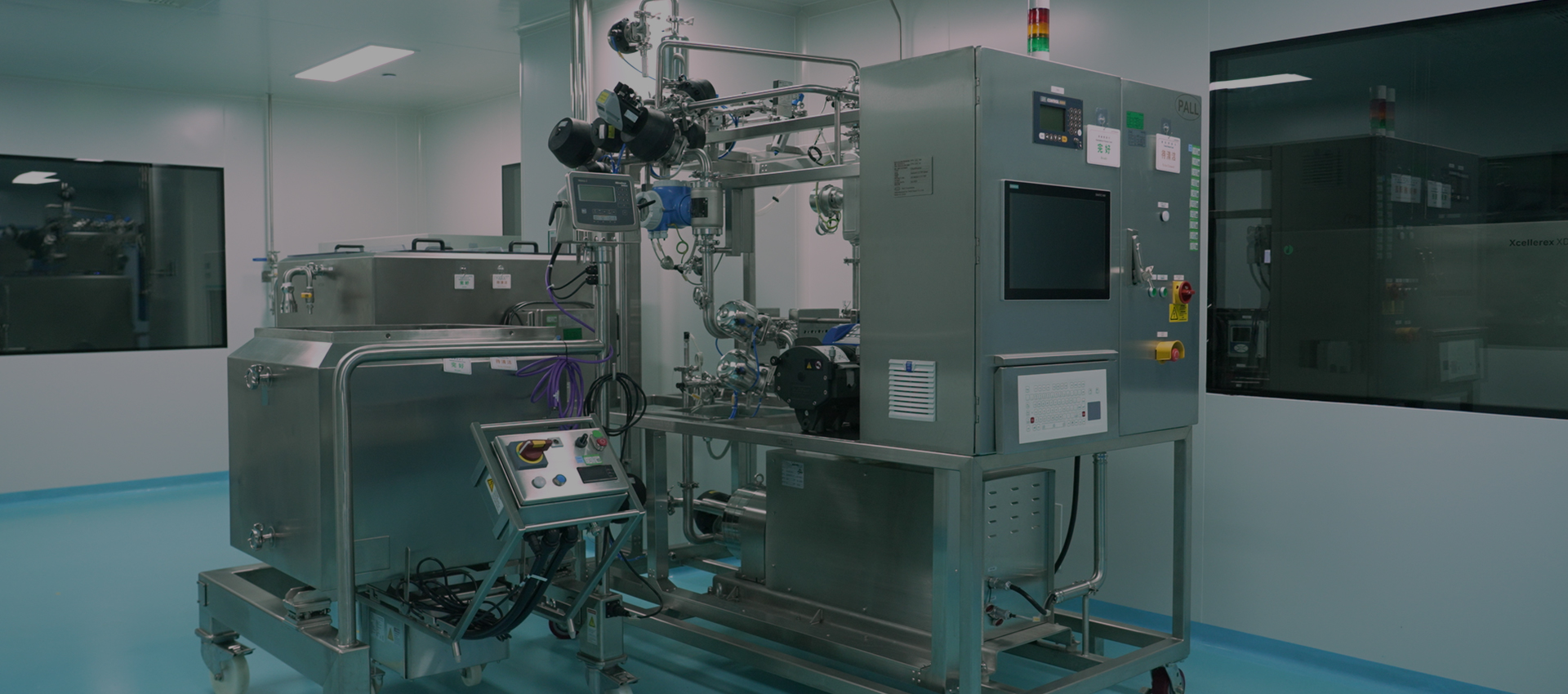
Process Characterization is the first stage of the process validation lifecycle (i.e., the Process Design stage). Its core objective is to define the commercial manufacturing process and establish the scientific evidence that it is capable of consistently delivering a quality product. The scope of process characterization is extensive and primarily encompasses the following key elements:
Define Quality Targets and Attributes: Establish the Quality Target Product Profile (QTPP) and evaluate/identify Critical Quality Attributes (CQAs).
Define the Process Flow: Detail each unit operation, including input materials, sequence of operations, and expected output parameters.
Analytical Method Suitability: Ensure that the analytical methods used for characterization studies (e.g., purity, potency assays) possess sufficient sensitivity and representativeness.
Identify Potential Critical Process Parameters (pCPPs): Evaluate the potential impact of parameter variability on CQAs or process performance (KPIs) for each unit operation.
Parameter Prioritization and Screening: Based on scores for severity, uncertainty, or occurrence, determine which parameters should be included in subsequent experimental studies.
Scale-Down Model (SDM) Qualification: Demonstrate that the laboratory-scale model is representative of the commercial-scale process in terms of process performance and product quality.
Multivariate Design of Experiments (DoE): Utilize DoE to explore interactions between multiple parameters and their effects on quality attributes.
Worst-Case and Linkage Studies: Evaluate the cumulative impact of running multiple consecutive steps and challenge the robustness of a single unit operation or the entire process when parameters are operated at their edge-of-failure conditions.
Identify Critical Process Parameters (CPPs): Using quantitative metrics such as Impact Ratio, classify parameters as Critical (CPP) or Non-Critical (non-CPP).
Define Operating Ranges: Establish the Proven Acceptable Range (PAR) and the Normal Operating Range (NOR).
Define the Design Space (if applicable): For enhanced development approaches, define the multidimensional combination of parameter interactions that assures quality.
Establish the Overall Control Strategy: Define in-process controls (IPC), attribute testing strategies, and post-approval monitoring plans, culminating in a comprehensive Process Characterization Report.